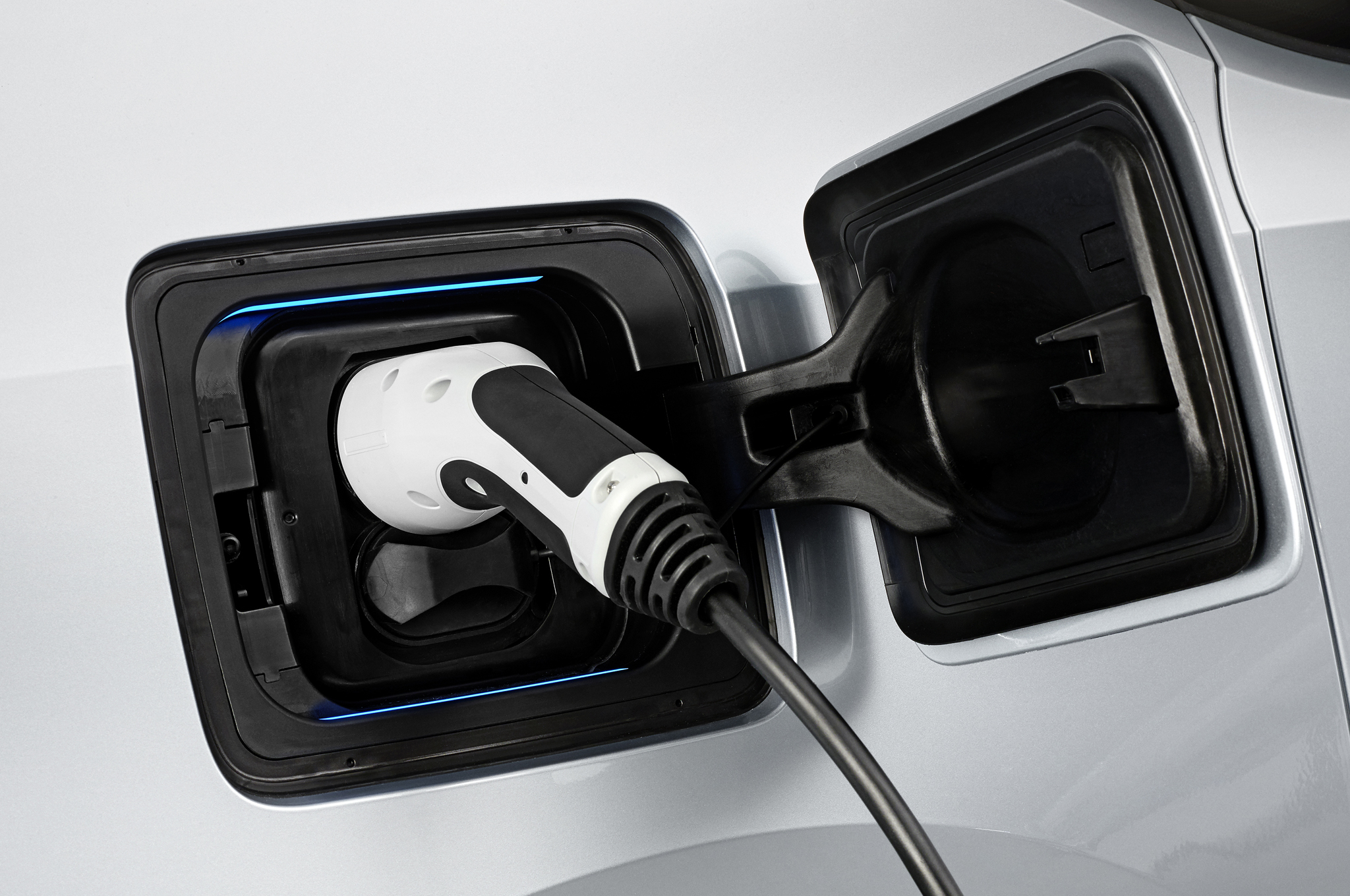
EVSE break down the ins and outs of EV Charging cables and EV adaptors
If you live in New Zealand, you might have noticed a new type of EV Charger being installed at your workplace, shopping centre or council car park. These EV Charging stations don’t have a tethered cable like traditional EV charging stations but instead, rely on the EV driver bringing their own EV cable specific to their type of EV. To better understand how different charger types work in various environments, refer to our EV Chargers – Buyer’s Guide for Kiwi Households.
The are several key benefits which support this type of EV Charging infrastructure with the main points being less wear and tear which comes on the tethered cable, Universal EV Charging for all EV’s and the capability for three-phase 22kW EV charging.
So you might now be asking which EV Charging cable do you need for your EV? This depends solely on the EV you drive, and one quick look at the charging port will tell you what EV cable you require. The other end will always be the same, it will have a Type 2 Mennekes plug which connects into the Universal EV charging station socket.
Type 1 (J1772) – This was previously the most common EV Charging cable required as most cars in Australia and New Zealand utilise the Type 1 (J1772) socket. This Type of EV cable has a capacity of 7.4kW at single phase.
Type 2 (Mennekes) – This is now the standard for all new EV on the market, used by all major vehicle manufacturers in Australia & New Zealand; Telsa, Renault, Hyundai, BMW, BYD, Kia, and Polestar. It allows for three-phase 22kW charging, which means you’re back on the road faster.
EV Adaptor Cables– These are used for vehicles which utilise a Type 2 Inlet on the electric vehicle (Tesla and Renault), but who wish to utilise EV charging stations which have a Tethered (cabled) Type 1 Cable, such as those found on the Chargepoint network. There is also the Type 2 adapter which allows older Type 1 (j1772 ) vehicles to use Type 2 cabled charging stations
So there you have it, a rundown on the different types of EV charging cables, what the differences are and which one is right for your EV. Remember to give consideration to the length of the cable and how you will mostly be using it. For most people, the 5m cable is the best option as it gives them maximum flexibility and portability, whereas for others who might own multiple EV’s then a longer EV cable such as 7m or 10m might be a better option.
For all of your EV cable and EV Adaptor cable needs visit our shop page or get in touch with the team at EVSE for expert advice.