Quick Answer
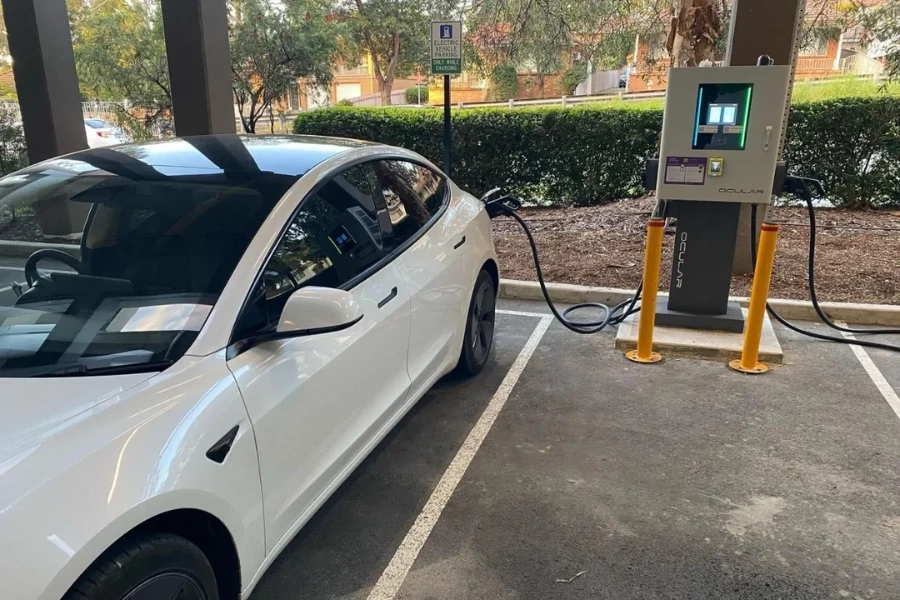
A mid-power DC fast charger, generally in the 60kW to 120kW range, is the best fit for most retail and hospitality sites. This speed matches how long a customer typically spends shopping, eating, or having a coffee, without the higher hardware and installation cost of a highway-grade ultra-fast charger. evse.nz supplies the Ocular DC charger range from 20kW up to 1.6MW, so the exact model can be matched to the site’s expected visit length and electrical capacity.
- Cafes and quick-service sites: a mid-power DC charger suits a short dine-in or takeaway visit
- Shopping centres and supermarkets: mid-power DC, often with multiple ports to serve several vehicles at once
- Hotels and longer-stay hospitality sites: a compact DC or Level 2 AC charger may be sufficient, since guests stay longer
- Highway-adjacent hospitality sites: a high-power DC charger suits customers wanting the fastest possible top-up before continuing their trip
DC Charger Power Tiers
| Power Tier |
Typical Output |
Fits a Visit Length Of |
Best Setting |
| Compact DC |
Around 20kW to 25kW |
Longer visits, an hour or more |
Small sites with limited electrical supply |
| Mid-power DC |
Around 60kW to 120kW |
A typical retail or hospitality visit |
Shopping centres, cafes, restaurants, supermarkets |
| High-power DC |
150kW and above, up to 1.6MW |
Short visits, drivers passing through |
Highway stops, forecourts, travel corridors |
Matching charger power to typical visit length avoids paying for charging speed a site’s customers will not use.
Why DC Charging Suits Retail and Hospitality
Retail and hospitality visits are usually shorter than a workplace stay or an overnight home charge, which makes DC charging a better match than a standard AC charger in most cases. A DC charger can deliver a meaningful amount of range within the time a customer spends in store, rather than requiring several hours to be worthwhile.
According to evse.nz, most EV drivers make a purchase while charging at a retail location, and EV drivers are more likely to return to a site that offers charging. This makes charger placement and visibility part of the commercial decision, not just the technical one.
Matching Charger Power to Your Site
| Site Type |
Recommended Tier |
Reasoning |
| Cafe or quick-service restaurant |
Mid-power DC |
Matches a short dine-in or takeaway visit without oversized hardware cost |
| Shopping centre or supermarket |
Mid-power DC, multiple ports |
Supports several vehicles at once during a typical shopping visit |
| Hotel or full-service restaurant |
Compact to mid-power DC, or Level 2 AC |
Longer stays reduce the need for maximum charging speed |
| Highway stop or travel hospitality site |
High-power DC |
Drivers want the fastest possible top-up before continuing their journey |
The Ocular DC Range
The Ocular DC range, supplied through evse.nz, spans compact units suited to smaller sites through to high-power chargers built for high-turnover locations. Choosing within this range depends on three site-specific factors.
- Typical visit length: longer visits allow a lower power charger without frustrating customers
- Number of vehicles expected at once: busier sites may need multiple ports rather than a single higher-power unit
- Existing electrical supply: higher-power DC chargers often require a supply upgrade, which affects both cost and installation timeline
Marketing and Brand Value of DC Charging
A DC charger at a retail or hospitality site is not only a utility. Chargers with marketing functionality can display branding to drivers using the network, and a visible charging station signals that a business is accessible to EV drivers actively looking for somewhere to stop. This can influence which location a driver chooses over a competitor without charging available.
Software and Billing for Retail DC Chargers
A DC charger at a commercial site is generally managed through charge point software such as Exploren, allowing the business to set pricing, monitor usage, and track how the charger contributes to visits and revenue. This also allows charging to be offered free as a customer incentive, or priced to recover electricity and installation cost over time.
Getting the Right Charger for Your Site
Choosing a DC charger for a retail or hospitality site works best with a site-specific assessment rather than a general recommendation. evse.nz works with property managers to evaluate the site’s electrical capacity, gain any required approvals, and recommend a charger tier suited to the property’s actual customer flow.
Frequently Asked Questions
Do all retail and hospitality sites need the highest power DC charger available?
No. A mid-power DC charger generally suits a typical retail or hospitality visit. High-power chargers are better suited to highway stops where drivers want the fastest possible charge before continuing their journey.
Can a retail site use a Level 2 AC charger instead of DC?
Yes, particularly at hotels or sites where customers stay for an extended period. Shorter-visit sites, such as cafes or supermarkets, generally benefit more from DC charging speed.
Does offering DC charging actually bring in more customers?
Businesses offering charging can attract EV drivers who might otherwise choose a different location, and drivers charging on site often make a purchase during their visit.
How is charger power decided for a specific site?
Power is matched to expected visit length, the number of vehicles likely to charge at once, and the site’s existing electrical supply. A site assessment determines the right tier before installation.
Can a business set its own pricing for DC charging?
Yes. charge point software such as Exploren allows a business to set a tariff, offer free charging as an incentive, or price to recover electricity and installation cost over time.