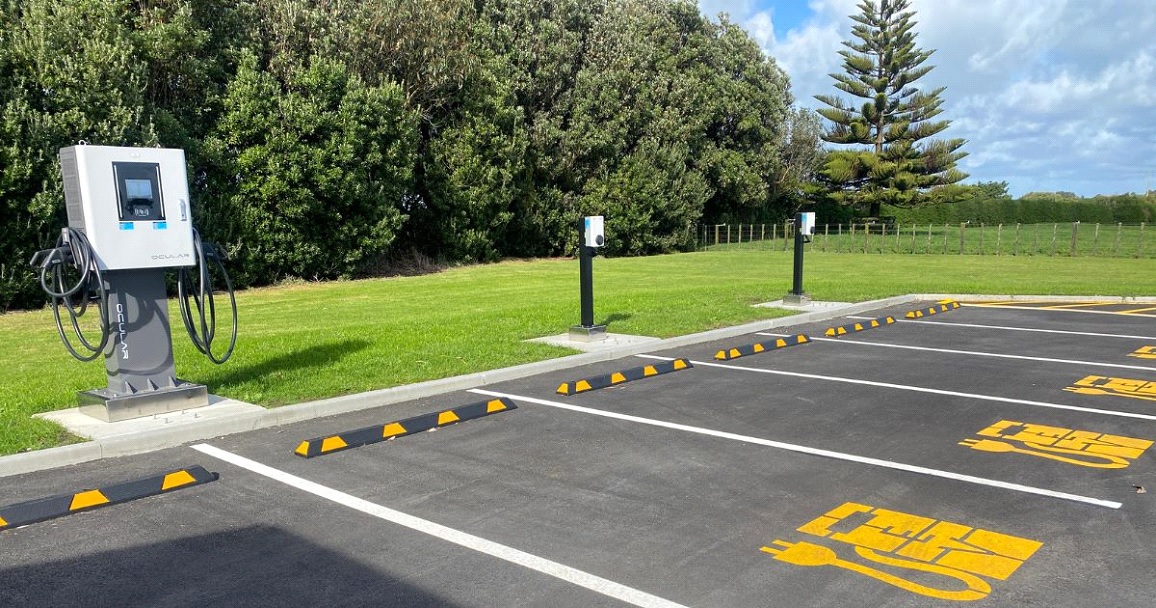
Electric vehicles are no longer a future concept in New Zealand. They are becoming a core part of everyday transport. As adoption accelerates, the focus is shifting beyond basic questions of where to charge and how long it takes. Attention is now firmly on how EV charging infrastructure will evolve, how new technologies will improve speed and convenience, and how charging will integrate with homes, businesses, and the national energy network. Understanding the EV charging future in NZ is essential for households, businesses, and organisations looking to make informed, long-term decisions in electric vehicle charging and sustainable transport infrastructure.
New Zealand’s EV Charging Targets and Infrastructure Plans
New Zealand’s transition to electric transport is closely tied to national emissions reduction goals and clean energy policies. Government-backed initiatives continue to prioritise:
- Expansion of public EV charging stations across highways, regional towns, and urban centres
- Improved charger availability to support long-distance travel and reduce range anxiety
- Alignment of EV infrastructure with renewable electricity generation
As EV adoption accelerates, future planning is focused on charging accessibility rather than minimum coverage. The next phase of the EV charging future in NZ is about ensuring chargers are fast, reliable, and evenly distributed where drivers actually need them. The Ministry of Transport Electric Vehicles Programme, supporting nationwide EV infrastructure expansion continue to shape how charging networks are planned and deployed across New Zealand.
Ultra-Fast Charging and the Next Generation of Speed
One of the biggest shifts in electric car charging innovation is the rollout of ultra-fast charging. These chargers significantly reduce charging times, making EV ownership more convenient for both private drivers and commercial fleets.
Key developments include:
- Ultra-fast charging can significantly reduce stop times, and in the best conditions some EVs can add meaningful range in ~15–30 minutes
- Improved battery compatibility, allowing vehicles to safely accept higher charging speeds
- Reduced congestion at charging stations through faster vehicle turnover
As ultra-fast chargers become more common, charging will start to resemble the traditional refuelling experience, especially on major travel routes and in high-traffic commercial locations.
Plug & Charge and a Seamless Charging Experience
Plug & Charge is one of the most important advancements in EV charger technology, built on the ISO 15118 standard. Instead of using apps, RFID cards, or manual payment steps, vehicles authenticate automatically when plugged in.
What this means for EV drivers:
- No apps, cards, or login processes required
- Secure, encrypted communication between vehicle and charger
- Automatic billing through the driver’s chosen payment method
- Faster, frictionless charging sessions
Plug & Charge transforms public EV charging into a simple, intuitive experience and is a major milestone in electric car charging innovation. As more vehicles and chargers support this standard, it will become the new expectation rather than a premium feature.
Smart Chargers and Renewable Energy Integration
Smart charging is central to the long-term EV charging future in NZ, particularly in a country powered largely by renewable electricity. Modern smart chargers do far more than supply power.
They are designed to:
- Optimise charging times based on electricity pricing
- Integrate with home solar systems and battery storage
- Reduce grid strain during peak demand periods
- Enable remote monitoring and load balancing
For households, smart chargers allow EVs to charge when the renewable energy supply is highest. For businesses and multi-unit developments, they support scalable infrastructure without overloading electrical capacity. This intelligent energy management is a defining feature of next-generation EV charger technology. Smart EV charging plays a key role in improving energy efficiency at home, with EECA guidance on charging your EV helping New Zealand households adopt smarter, more sustainable charging practices.
Vehicle to Grid and Bidirectional Charging
Vehicle to Grid, often called V2G, and bidirectional charging represent a major shift in how EVs interact with the energy network. Instead of only consuming power, EVs can also store and return energy.
Future possibilities include:
- Using EV batteries to support the grid during peak demand
- Powering homes or buildings during outages
- Increasing renewable energy efficiency through energy storage
While still emerging, V2G is expected to play a meaningful role in the EV charging future in NZ, particularly as smart grids and renewable generation continue to expand. This level of electric car charging innovation turns EVs into active energy assets rather than passive loads.
What the Future Charging Network Will Look Like
Looking ahead, New Zealand’s charging network will become:
- Denser, with more chargers per location rather than single units
- Faster, supported by ultra-fast DC technology
- Smarter, integrated with energy management systems
- More user-focused, driven by automation and Plug & Charge
Charging infrastructure will no longer be a basic amenity. It will be a strategic asset for homes, businesses, and public spaces. As EV charger technology advances, charging will become invisible, reliable, and seamlessly embedded into everyday life. Smart charging will allow EV owners to optimise when and how their vehicles charge, aligning with government guidance on EV charging and supporting more efficient energy use across New Zealand homes.
Powering the Next Chapter of EV Charging
The future of EV charging in New Zealand is defined by speed, intelligence, and integration. From Plug & Charge to smart energy systems and bidirectional charging, the EV charging future in NZ is moving toward a connected, user-friendly ecosystem built for long term sustainability.
As this transformation accelerates, choosing the right partner becomes critical. EVSE delivers complete, future-ready charging solutions designed to support households, businesses, and large-scale infrastructure as electric car charging innovation continues to evolve. With proven expertise and end-to-end capability, EVSE is positioned to power New Zealand’s next generation of EV charging with confidence and reliability.