Key Takeaways
- A smart EV charger includes features like app control, scheduling, and energy monitoring.
- Standard EV chargers are simple, reliable, and often cheaper upfront.
- Smart charging can reduce costs by allowing charging during off-peak power rates.
- Load balancing is a major advantage for homes with limited power supply.
- Smart chargers are ideal for households with high daily driving or multiple EVs.
- If you rarely charge at home, a standard charger may be enough.
- For long-term value, smart chargers often pay off through convenience and better energy efficiency.
Smart Charging Explained: More Control, More Savings, More Convenience
If you’re comparing EV chargers, you’ve probably seen the terms smart charger and standard charger. But what does “smart” actually mean, and is it worth paying extra? For many Kiwi households, a smart EV charger provides greater control, lower operating costs, and more convenient charging. However, not every home needs one.
This guide explains what makes an EV charger smart, the real benefits, and when a standard charger may be the better option.
Table of Contents
What Is a Smart EV Charger?
A smart EV charger connects to Wi-Fi or Bluetooth and allows you to manage charging through an app or online platform. Instead of simply plugging in and charging immediately, smart chargers let you control when, how, and how fast your EV charges.
This is especially useful in New Zealand, where electricity pricing varies by plan. Smart chargers allow scheduling for off-peak hours, energy monitoring, and protection against electrical overload.
A standard EV charger, by contrast, provides basic plug-and-charge functionality without additional controls.
Smart EV Chargers vs Standard EV Chargers
Smart EV Chargers Typically Include:
- App control (remote start/stop)
- Scheduled charging
- Energy usage tracking
- Load balancing/load management
- Remote diagnostics and updates
- Solar integration (in some models)
Standard EV Chargers Typically Include:
- Basic plug-and-charge functionality
- Manual operation only
- No usage tracking
- No scheduling features
- No advanced load control
The difference is simple: smart chargers offer greater control and efficiency, while standard chargers keep things straightforward.
Benefits of Smart EV Charging for Kiwi Households
1. Charge During Off-Peak Hours to Save Money
Many NZ power providers offer lower overnight rates. A smart charger can automatically charge during cheaper periods, helping reduce long-term electricity costs.
2. App Control and Convenience
- Check charging status remotely
- Stop charging from your phone
- Set charging schedules
- Monitor charging history
3. Load Balancing for Safer Charging
Load balancing prevents your EV charger from drawing too much power when other appliances are running, reducing overload risks.
4. Solar Integration
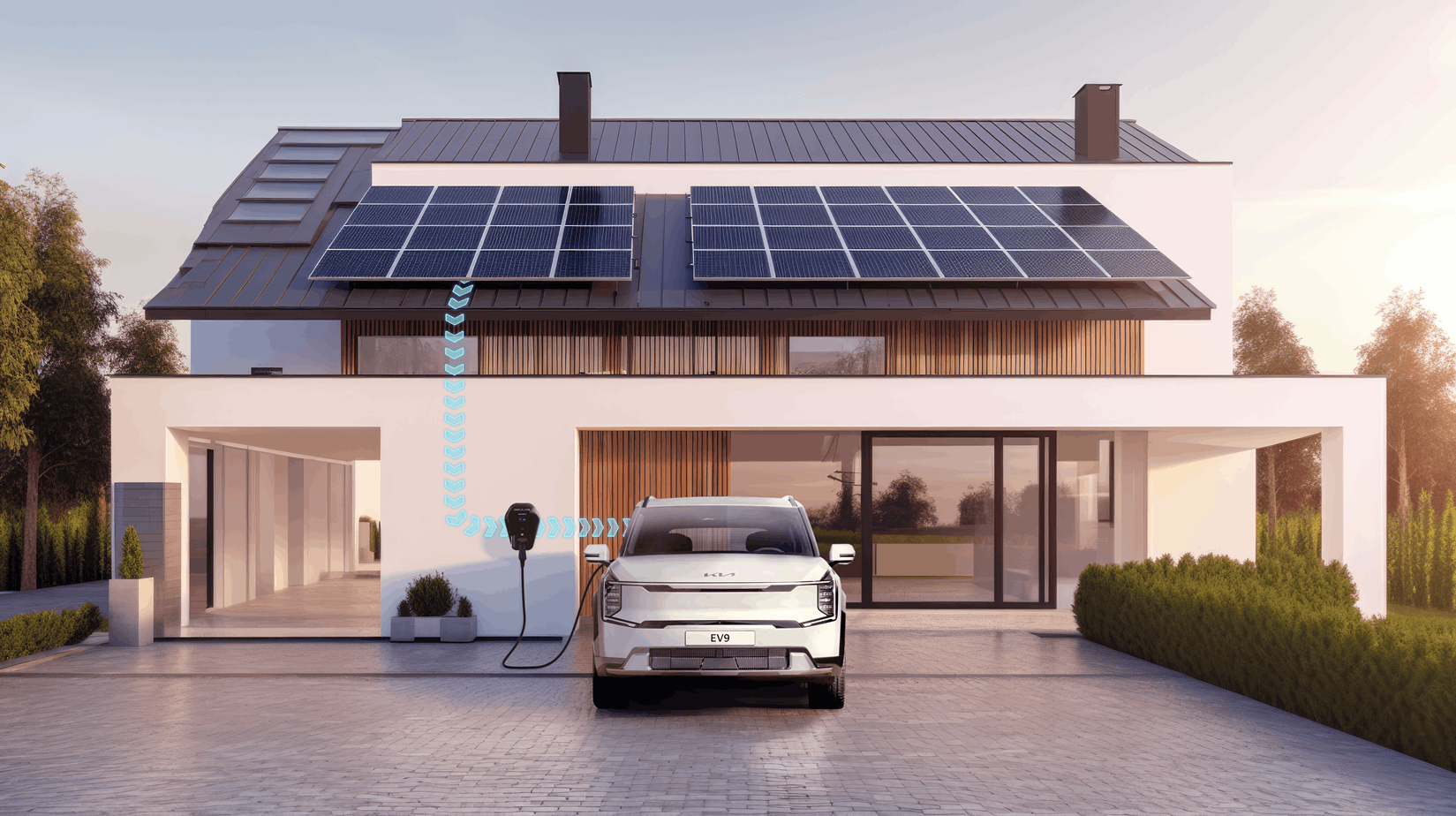
If your home has solar panels, some smart chargers allow you to prioritise solar energy for solar EV charging.
5. Future-Proofing for Multiple EVs
Smart chargers simplify shared charging and support controlled charging between multiple vehicles.
When Smart EV Chargers Make Sense (and When They Don’t)
Smart EV Chargers Make Sense If You:
- Drive daily
- Have off-peak electricity pricing
- Want automated overnight charging
- Have limited electrical capacity
- Plan to own multiple EVs
A Standard EV Charger May Be Enough If You:
- Drive short distances
- Charge occasionally
- Don’t require scheduling
- Prefer lower upfront costs
Step-by-Step: How to Decide Between Smart and Standard Chargers
- Review your weekly driving routine.
- Check if your electricity plan offers off-peak rates.
- Assess your home’s electrical load capacity.
- Consider long-term EV ownership plans.
- Confirm compatibility with your EV (most NZ EVs use Type 2).
Features to Look for in Smart EV Chargers
Must-Have Features
- Charging schedule function
- Wi-Fi or Bluetooth connectivity
- Safety monitoring and fault protection
- Load balancing
Nice-to-Have Features
- Solar charging optimisation
- Energy usage reports
- Remote troubleshooting
- Automatic software updates
EV Charging Trends in New Zealand Homes
- Increased demand for load-balanced chargers
- More overnight off-peak charging
- Solar-integrated EV charging growth
- Greater interest in app-based monitoring
- Future-proof setups for multiple EV households
Final Thoughts: Is Smart Charging Worth It?
For many New Zealand households, smart charging is worth it. A smart EV charger offers greater control, better safety features, and the ability to reduce charging costs over time.
However, if you drive occasionally and prefer a simple solution, a standard charger may be sufficient.
The right choice depends on your driving habits, electricity plan, and long-term goals.
At EVSE, we help Kiwi households choose the right EV charger based on real usage, not just marketing claims.
FAQs About Smart EV Chargers
What makes an EV charger “smart”?
A smart EV charger includes app control, scheduling, and energy monitoring. It connects via Wi-Fi or Bluetooth and may include load balancing for added safety.
Do smart EV chargers save money in New Zealand?
Yes, especially if your electricity provider offers off-peak pricing. Scheduled charging during cheaper hours can reduce overall charging costs.
Is load balancing important?
Yes. Load balancing protects your home’s electrical system by adjusting charging power when other appliances are running.
Are standard EV chargers safe?
Yes, when properly installed. They offer basic plug-and-charge functionality without smart features.
Is a smart charger worth it for occasional drivers?
If you charge infrequently, a standard charger may be sufficient. However, smart features can provide long-term flexibility and future-proofing.
Talk to EVSE About Smart EV Charging
Still deciding between a smart EV charger and a standard charger?
EVSE helps New Zealand households choose the right charging solution based on vehicle compatibility, home power supply, and budget.