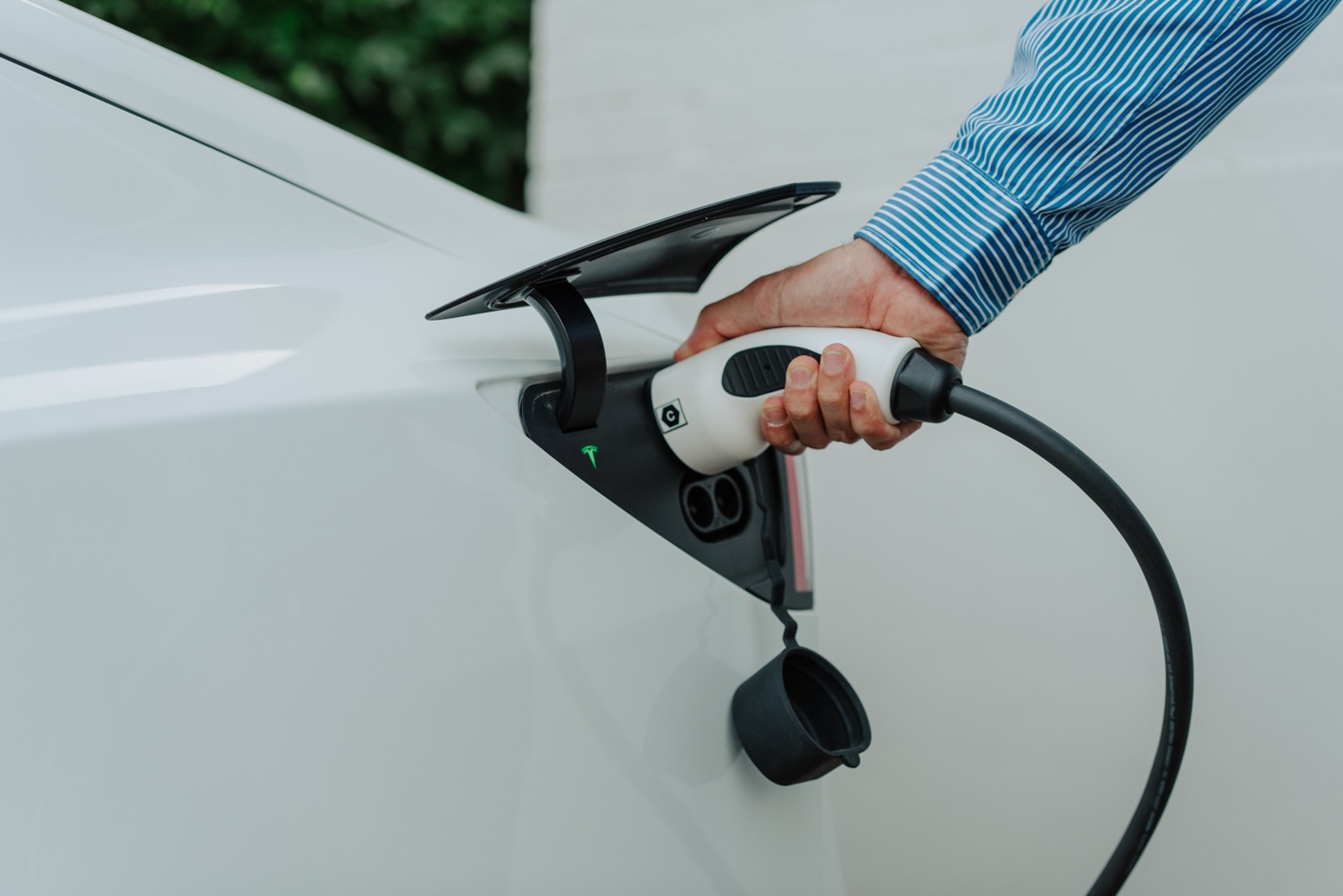
Key Takeaways (Before You Choose an EV Charging Cable)
- Type 2 charging cables are the most common and suit most modern EVs.
- Always check your car’s charging port before buying (Type 1 vs Type 2 makes a big difference).
- A longer EV charging cable adds flexibility, but too long a cable can be harder to store and manage.
- Choose the correct amp rating (16A vs 32A) to match your charger and charging needs.
- Poor-quality cables can overheat, wear faster, and reduce charging reliability.
- Proper storage prevents damage, moisture issues, and cable twisting over time.
Everything You Need to Know About EV Charging Cables
Choosing the right EV charging cable may seem simple, but the wrong cable can lead to slow charging, compatibility issues, and unnecessary frustration. Different electric vehicles support different plug types; selecting the correct EV charging cable is essential for safe, efficient charging at home, at work, or at public charging stations.
This guide explains the main EV cable types, what Type 1 and Type 2 actually mean, how to choose the right cable length and power rating, and how to store your charging cable properly so it lasts longer.
What Is an EV Charging Cable and Why Does It Matter?
An EV charging cable connects your electric vehicle to a charging station. While that may sound basic, the cable plays a significant role in the speed, safety and reliability of your charging experience.
A high-quality cable ensures consistent power delivery and helps prevent overheating or charging interruptions. Using the wrong cable type may not fit your vehicle or limit your charging speed, even if you have a powerful charger installed.
EV drivers often charge in various locations, including garages, apartment buildings, outdoor driveways, and public charging bays. That’s why choosing the right cable type, length, and durability is more important than many people realise.
Benefits of Choosing the Right EV Charging Cable
The right cable improves charging speed, safety and convenience, especially if you charge your vehicle regularly at home or work.
Here are the main benefits of selecting the correct cable type and rating:
1. Faster and More Efficient Charging
A cable rated for the correct amperage (e.g., 32A) can enable faster charging when paired with a compatible EV and charger. This reduces charging time and improves overnight charging reliability.
2. Better Compatibility With Public Charging Stations
Many public AC chargers require drivers to bring their own cable. If you have the correct Type 2 charging cable, you’ll be able to charge confidently at shopping centres, office buildings, and council charging bays.
3. Improved Safety and Reduced Overheating Risk
High-quality EV charging cables are designed to safely handle power flow. A poorly made or incorrectly rated cable can overheat, wear out quickly, or lead to charging faults.
4. Less Wear and Tear on Your EV Charging Port
A cable that fits properly and locks in securely reduces strain on the vehicle’s charging socket. This helps prevent damage to the port, which can be expensive to repair.
5. Easier Charging at Home
If your charger is installed in a garage, carport, or driveway, the right cable length makes charging simple. You won’t need to reposition your vehicle or stretch the cable awkwardly every time.
6. Better Performance in Harsh Conditions
Heat, sun exposure, and outdoor charging environments can damage low-quality cables. A durable cable built for harsh weather lasts longer and performs more reliably year-round.
7. Long-Term Value and Future-Proofing
Choosing a cable that supports higher charging capacity helps future-proof your setup, especially if you upgrade your EV later. Many choose Type 2 32A cables because they are compatible with a wide range of current and future vehicles.
Types of EV Charging Cables Explained (Type 1, Type 2, CCS)
Understanding EV charging cable types can feel confusing at first, especially if you’re new to electric vehicles. Here’s a simple breakdown of the most common cable connector types.
Type 1 Charging Cable
A Type 1 EV charging cable has a 5-pin connector and is commonly used in older EV models, particularly some Japanese and American vehicles.
While Type 1 remains available, it’s becoming less common as more manufacturers switch to Type 2.
Best for: Older EVs such as early Nissan Leaf models and select Mitsubishi EVs.
Type 2 Charging Cable
Type 2 is now the standard for most EV charging. It supports faster AC charging and is widely used in homes, commercial chargers, and public charging stations.
Most European and newer EV models use Type 2.
Best for: Tesla, BYD, Kia, Hyundai, MG, BMW, Mercedes-Benz, Polestar, and most new EVs.
CCS (Combined Charging System)
CCS is not a cable you buy separately for AC charging. Instead, CCS is the connector type used for DC fast charging, commonly found at highway charging stations and rapid chargers.
A CCS port builds on the standard Type 2 design, with two additional DC pins located beneath the main connector. In most EVs, these lower pins sit behind a separate cover which is removed when using a DC fast charger.
Best for: Fast charging at public DC charging stations.
How to Choose the Right EV Charging Cable
Choosing the best EV charging cable comes down to a few key factors. If you get these right, you’ll have a smooth charging setup that works for years.
1. Check Your EV Plug Type
Before anything else, confirm whether your car uses:
For most users, the answer will be Type 2, but it’s always worth checking your car manual or charging port.
2. Choose the Right Cable Length
Cable length matters more than people expect. A cable that’s too short can make charging awkward or impossible depending on where the charger is installed.
Common EV cable lengths include:
- 5 metres (most common for home charging)
- 7 metres (great for flexibility)
- 10 metres (ideal for tricky driveways or shared parking)
Tip: If you park in different positions or share charging access, a longer cable is usually worth it.
3. Pick the Correct Amp Rating (16A vs 32A)
EV charging cables usually come in:
- 16A cables (slower charging)
- 32A cables (faster charging)
A 32A cable allows higher charging speeds when paired with a compatible charger and vehicle.
If you want future-proof charging, a 32A Type 2 cable is often the smarter long-term choice.
4. Decide Between Single Phase and Three Phase
Some EV charging cables support single-phase charging, while others can handle three-phase charging.
Three-phase charging is common in commercial setups and can significantly reduce charging time.
If you have access to three-phase power, make sure your cable supports it.
5. Consider Weather Resistance for Outdoor Charging
If you charge outside (especially in coastal areas), your cable should be designed for tough conditions.
Look for:
- UV resistance
- strong insulation
- water and dust protection
- durable connectors
This helps prevent cracking, moisture issues, and long-term wear.
Best Practices for Maintaining and Storing EV Charging Cables
A good EV charging cable can last years, but only if you treat it properly. Poor storage is a leading cause of cable failure.
Here are simple ways to maintain your cable:
Store the Cable Properly
- Avoid leaving it lying on the ground
- Use a wall hook or cable holder
- Keep it off wet surfaces
Avoid Tight Bends
Constant twisting or bending can damage internal wiring.
Instead:
- coil the cable loosely
- avoid sharp folds near the plug ends
Keep Connectors Clean
Dust and moisture in the connector can reduce performance or cause charging errors.
Quick tip:
- wipe connectors with a clean, dry cloth before plugging in
Don’t Drive Over the Cable
Driving over an EV charging cable can crush the internal wiring and weaken insulation. Even if it looks fine on the outside, it can cause future charging faults.
Common Mistakes to Avoid When Buying an EV Cable
Many EV owners buy the wrong cable simply because the product listing looks similar. Here are the most common mistakes to avoid:
- Buying Type 1 when your car needs Type 2 (or vice versa)
- Choosing a cable that’s too short for your driveway or garage layout
- Purchasing a 16A cable when your charger supports 32A charging
- Buying cheap, non-certified cables that can overheat
- Not considering outdoor exposure (sun, rain, coastal salt air)
Final Thoughts: Choosing the Best EV Charging Cable
Choosing the right EV charging cable may not feel like a big decision at first, but it can make a huge difference in your day-to-day charging experience. A cable that is compatible, durable, and the right length will help you charge faster, avoid unnecessary charging errors, and reduce wear on both the charger and your vehicle’s charging port.
Most modern EVs use Type 2 charging cables, but some older models still require Type 1. That’s why checking your EV plug type before purchasing is always the first step. After that, you should consider the cable’s length, amp rating (16A or 32A), and whether it will be used outdoors in harsh weather conditions.
A cheaper cable might work initially, but poor build quality can lead to overheating, cracked insulation or unreliable charging over time. This is especially important if you frequently charge outside, travel long distances, or rely on your EV for work.
At EVSE, we help customers choose the right EV charging cables and accessories for their vehicle, lifestyle, and charging setup. Whether you charge at home, at the office, or on the road, having the right cable means less stress and a smoother EV ownership experience.
FAQs About EV Charging Cables
1. How do I know if my EV uses Type 1 or Type 2 charging?
The easiest way is to check your vehicle’s charging port or your owner’s manual. Most newer electric vehicles use a Type 2 connector, while some older models use a Type 1 connector. If you’re unsure, EVSE can help confirm the correct cable type before you purchase, so you don’t waste money on the wrong product.
2. Can I use a Type 2 charging cable at public charging stations?
Yes, most public AC charging stations in New Zealand are designed for Type 2 charging cables. Many public chargers provide the socket but not the cable, meaning you’ll need to bring your own Type 2 cable. Having your own cable makes public charging easier, especially when travelling or charging at shopping centres, workplaces, or council car parks. DC charging stations will always have a supplied cable and will not require your own cable.
3. What’s the difference between AC charging cables and DC fast charging cables?
AC charging cables are used for home and workplace charging, typically via a Type 1 or Type 2 connector. DC fast charging works differently, as the cable is built into the charging station and typically uses CCS or CHAdeMO connectors. If you’re buying a cable for everyday charging, you’re usually looking for an AC EV charging cable, not a DC cable.
4. Is it worth buying a 32A EV charging cable?
In most cases, yes. A 32A EV charging cable supports faster charging than a 16A cable, provided your EV and charger support it. It also helps future-proof your setup if you upgrade your vehicle later. Many EV owners in New Zealand choose 32A cables because they offer better performance and long-term value.
5. Can an EV charging cable overheat?
Yes, EV charging cables can overheat if they are low-quality, damaged, incorrectly rated, or used under poor conditions. Overheating can cause charging interruptions or long-term safety issues. To avoid this, always use a certified, high-quality cable, avoid running it through water, and check for visible wear. EVSE recommends using reliable cables designed for harsh conditions.
6. How long do EV charging cables usually last?
A high-quality EV charging cable can last several years, especially if stored properly and handled carefully. Cables left exposed to harsh sunlight, moisture, or constant bending may wear out faster. Regular cleaning, proper coiling and safe storage can significantly extend the life of your cable.
Need Help Choosing the Right EV Charging Setup?
If you’re unsure which EV charging cable is right for your car or home setup, EVSE can help. We supply and support reliable charging solutions, with expert guidance to ensure your charging system is safe, compatible, and built to last.
Talk to our team today and get the right EV charging solution for your home or business.