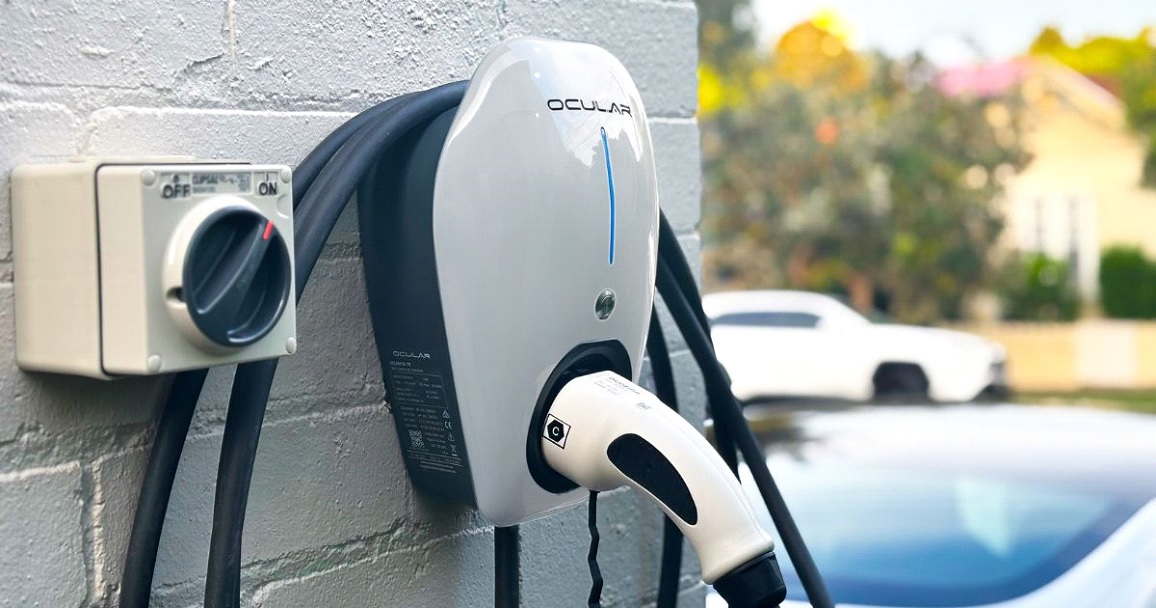
As electric vehicles become a practical choice for everyday driving, more homeowners are looking to install a dedicated charger at home. While plugging into a standard power point may seem convenient, it is rarely the safest or most efficient long-term solution. Choosing the right home EV charger in NZ requires understanding charger types, power levels, electrical requirements, and safety standards specific to New Zealand homes.
Understanding EV Charger Types for Home Use
The first step in choosing the right charger is understanding the different options available and how they suit residential use.
AC chargers
These are the types of chargers found in homes in New Zealand.
- Suitable for overnight charging
- Lower installation and equipment costs
- Compatible with most residential electrical systems
- Ideal for daily driving and predictable routines
DC chargers
DC fast chargers are not suitable for homes.
- Extremely fast charging speeds
- High power requirements and infrastructure costs
- Typically used in commercial or public settings
- Not practical for residential installation
Smart chargers
Smart chargers are increasingly popular for modern homes.
- Allow scheduled off-peak charging
- Integrate with solar and home energy systems
- Enable remote monitoring and usage control
- Help reduce long-term energy costs
Dumb chargers
Basic chargers without connectivity.
- Reliable and simple to operate
- No scheduling or energy optimisation features
For most homeowners, a smart AC charger offers the best balance of performance, efficiency, and long-term value when planning EV charging installationin NZ.
Cable Types and Connector Standards in New Zealand
Compatibility is critical when selecting a home EV charger NZ. New Zealand follows international connector standards, but it is still important to confirm your vehicle requirements.
Common connector types include:
- Type 2 connectors, standard for most modern EVs in NZ
- Tethered chargers, which include a fixed cable for convenience
- Untethered chargers, allowing flexibility with different cables
Most EVs sold in New Zealand support Type 2 AC charging, making it the safest and most future-ready choice when comparing the best EV chargers in NZ.
Electrical Requirements: Single Phase vs Three Phase
Your home’s electrical supply directly impacts charger performance and installation options.
Single-phase power
Most NZ homes use single-phase power.
- Supports charging up to 7.4 kW
- Ideal for overnight charging
- Suitable for the majority of households
Three-phase power
Available in some newer or upgraded homes.
- Supports faster charging up to 22 kW
- Reduces charging time significantly
- May require electrical upgrades
Before proceeding with EV charging installation in NZ, a qualified electrician should assess your switchboard capacity, cabling, and overall load to ensure safe operation.
Installation Tips for NZ Homes
A successful installation goes beyond choosing the charger itself. Proper planning ensures safety, compliance, and long-term reliability.
Key installation considerations include:
- Dedicated circuit for the EV charger
- Load management to prevent overload
- Weather-rated equipment for outdoor installs
- Clear cable routing and safe mounting height
EECA guidance on charging your EV highlights that professionally installed home chargers are safer, more efficient, and better suited to New Zealand electricity usage patterns than standard sockets.
Safety and Compliance for Residential EV Charging
Safety should never be compromised when installing a home EV charger NZ. All installations must comply with New Zealand electrical standards and building regulations.
Important safety requirements include:
- Installation by a licensed electrician
- Installations must meet AS/NZS 3000:2018 (Wiring Rules) and be completed by a licensed electrician.
- Residual current protection
- Correct earthing and circuit protection
WorkSafe New Zealand’s Electric vehicle charging safety guidelines (updated January 2026) outline best practices for safe EV charger installation and ongoing electrical safety in residential settings.
How to Choose the Best EV Charger for Your Home
To summarise, the best EV chargers in NZ for home use typically meet the following criteria:
- AC smart charger with Type 2 compatibility
- Power level matched to your household supply
- Compliance with NZ safety regulations
- Ability to support future EV upgrades
By aligning charger capability with your driving habits and electrical setup, you can significantly reduce running costs and improve daily convenience.
Power Your Home Charging with EVSE
Choosing the right home EV charger NZ is an investment in safety, efficiency, and long-term savings. From selecting the right charger type to ensuring compliant EV charging installation in NZ, expert guidance makes all the difference.
EVSE delivers complete electric car charging solutions across New Zealand, supporting households, businesses, and government organisations since 2015. With a nationwide range of smart, fast, and manufacturer-approved chargers, EVSE makes it easy to install reliable home charging that is built for today and ready for the future.