As electric vehicles become more common across New Zealand, many drivers are asking a practical question, what does EV charging actually cost in real life? While charging basics are widely discussed, fewer resources break down the true cost difference between charging at home and using public charging networks. Understanding EV charging costs in NZ helps households and businesses make smarter decisions about vehicles, chargers, and long-term running expenses.
Electricity Pricing in NZ and the Real Cost of Charging at Home
Home charging is typically the most affordable way to power an electric vehicle. In New Zealand, residential electricity prices vary by region and provider, but unit rates generally sit between 35 and 40 cents per kWh. Off-peak plans can reduce this even further.
What this means in real terms:
- Most EVs consume around 15 to 20 kWh per 100 km
- Charging at home often costs between $4 and $7 per 100 km
- Overnight off-peak charging can lower costs even more
This makes home EV charging in NZ significantly cheaper than traditional fuel. According to guidance from EECA, charging at home remains the most cost-effective option for everyday driving, particularly when paired with smart charging habits.
According to EECA guidance on charging your EV, home charging remains the most cost-effective option for everyday driving, especially when paired with off-peak electricity plans and smart charging practices.
How EV Charger Type Impacts Charging Costs
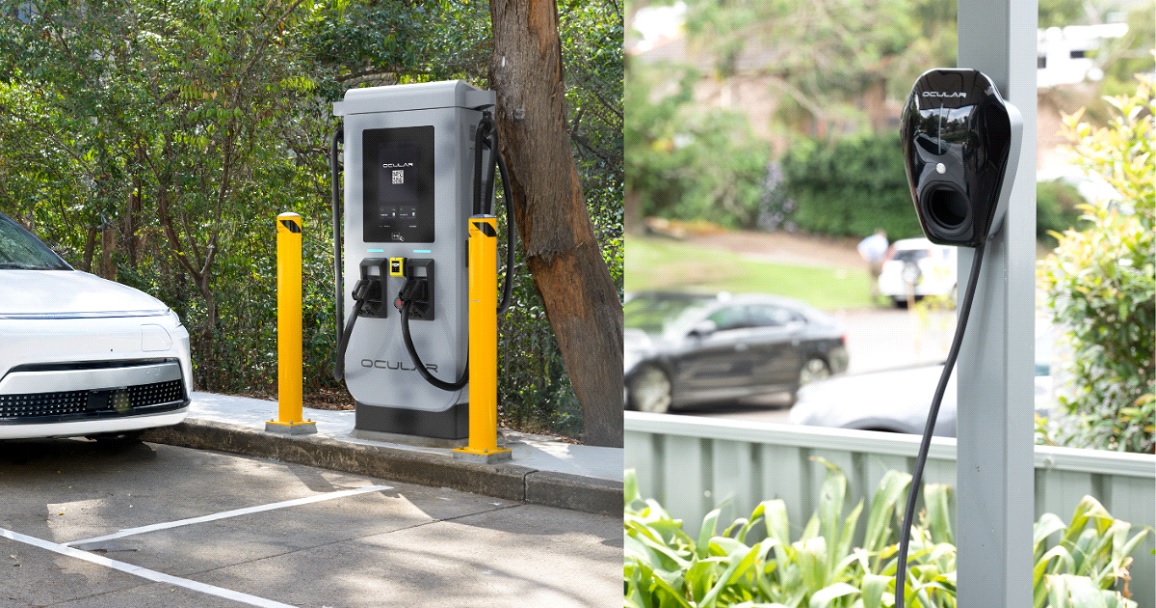
Not all chargers are priced the same. One of the most important factors in EV chargers cost comparison is whether you are using AC or DC charging.
AC chargers, commonly used at home and workplaces:
- Lower installation and usage costs
- Priced at standard electricity rates
- Ideal for overnight or long-stay charging
DC fast chargers, typically found at public locations:
- Much faster charging speeds
- Higher infrastructure and operating costs
- Priced per kWh or per minute at a premium rate
- Best for long trips and quick top-ups
Public DC charging can cost two to three times more per kWh than home charging. While the convenience is valuable, frequent reliance on rapid charging can significantly increase overall EV charging costs in NZ.
Public EV Charging Costs and What You’re Paying For
Public pricing varies by network and site. As a guide, AC destination charging can be ~45c/kWh, while DC fast charging is often around 80 and 85 cents per kWh, with some premium sites costing more.
What influences public charging prices:
- High equipment and maintenance costs
- Electricity demand charges
- Prime locations such as highways and city centres
- Fast charging convenience
While public chargers are essential for long-distance travel, they are best used strategically rather than as a primary charging method if cost savings are a priority.
Practical Ways to Reduce EV Charging Costs
There are several proven ways to reduce EV charging costs in NZ without reducing driving convenience.
Key cost-saving strategies include:
- Switching to off-peak or EV-specific electricity plans
- Charging overnight when electricity demand is lower
- Installing smart EV chargers to control charging times
- Avoiding frequent reliance on DC fast chargers
- Combining home charging with occasional public charging
Smart chargers are especially valuable as they allow users to schedule charging automatically during the cheapest periods. EECA also highlights that managed charging plays an important role in reducing household energy costs while supporting grid efficiency.
EV Charging Costs vs Petrol and Diesel Vehicles
One of the clearest benefits of EV ownership is long-term fuel savings. When comparing EV chargers cost comparison against petrol and diesel vehicles, the difference is substantial.
Typical cost comparison:
- EV charging at home, approximately $4 to $7 per 100 km
- Public EV charging, approximately $10 to $15 per 100 km
- Petrol vehicles, often $15 to $20 per 100 km or more
- Diesel vehicles, still higher when factoring in road user charges
Even when mixing home and public charging, electric vehicles remain significantly cheaper to run over time. Fuel and running cost savings are widely recognised as a key reason New Zealanders are switching to electric vehicles, with organisations such as EECA and Consumer NZ consistently highlighting lower energy and maintenance costs compared to petrol vehicles.
Choosing the Right Charging Setup for Long-Term Savings
The key to controlling home EV charging in NZ costs is investing in the right charging solution from the start. A well-planned home charger setup reduces reliance on expensive public charging and maximises savings over the life of the vehicle.
The most cost-effective approach usually includes:
- A dedicated home EV charger
- Off-peak electricity pricing
- Smart charging capability
- Occasional use of public chargers for long trips
This balanced approach delivers convenience without unnecessary expense.
Power Your EV for Less with the Right Charging Partner
Understanding real-world EV charging costs in NZ allows drivers and businesses to make confident, future-ready decisions. From choosing the right charger type to optimising when and where you charge, the difference in long-term costs can be significant.
EVSE delivers complete electric vehicle charging solutions across New Zealand, helping households, businesses, and government agencies charge smarter, faster, and more affordably. With industry-approved equipment, intelligent charging technology, and end-to-end expertise, EVSE is the trusted partner for reducing charging costs and supporting the transition to sustainable electric mobility.