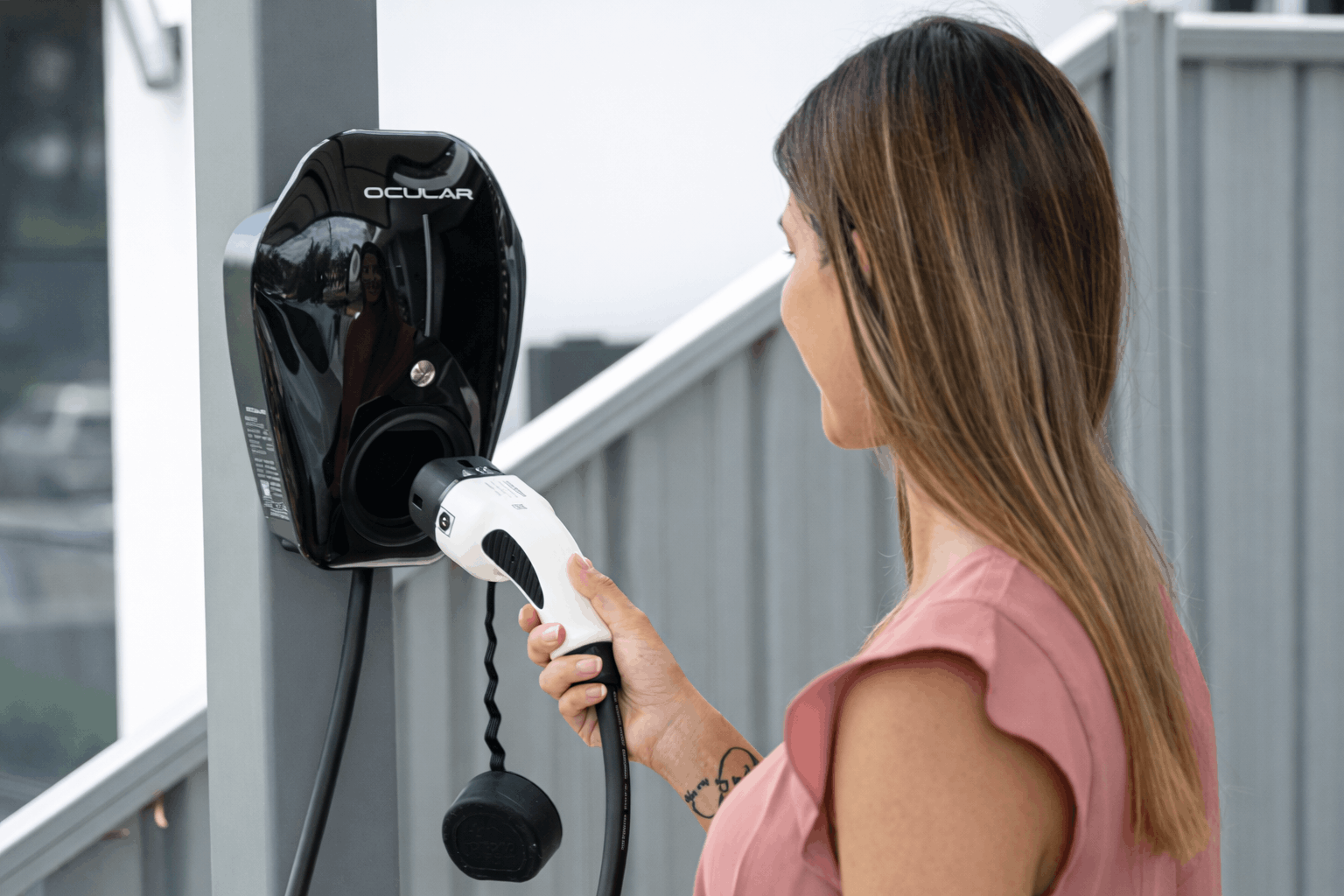
Key Takeaways
- Most Kiwi households only need an AC home EV charger, not a DC fast charger.
- 7kW chargers are usually the best value for typical home charging needs.
- 11kW and 22kW chargers may require upgraded wiring or three-phase power.
- Always check your EV plug type (most modern EVs use Type 2).
- Smart features like Wi-Fi, apps, and scheduling can reduce power costs.
- Choose chargers with proper protection and compliance ratings.
- Professional installation is essential to ensure your EV charger works safely and efficiently.
Kiwi EV Charging: Plugs, Power and Performance
Buying the right EV charger for your home in New Zealand can feel confusing, especially with so many models, charging speeds, and features available. Some chargers are basic and reliable, while others include smart apps, scheduling, and energy tracking. The best choice depends on your vehicle, your home power supply, and how fast you want to charge.
This buyer’s guide breaks down AC home chargers vs DC fast chargers, explains power ratings like 7kW, 11kW, and 22kW, and covers the key features Kiwi households should compare before buying.
Table of Contents
What EV Charger Should Kiwi Households Choose?
For most New Zealand homes, the best EV charger is one that balances charging speed, safety, and affordability. Many EV owners assume they need the fastest available charger, but in reality, most daily charging occurs overnight, so a standard home charger is usually sufficient.
When choosing an EV charger, consider your household’s electrical setup, how far you drive each day, and whether your vehicle supports higher charging speeds. Ensure your charger complies with New Zealand standards and is suitable for outdoor installation if required.
AC Home Chargers vs DC Fast Chargers
One of the biggest mistakes buyers make is confusing AC chargers with DC fast chargers.
AC Home EV Chargers (Most Common for Households)
AC chargers are designed for home use and connect to your home electricity supply. They are affordable, safe, and practical for daily charging.
- Wall-mounted chargers
- Portable EV chargers
- Smart chargers with app control
Best for: Everyday home charging, overnight charging, long-term convenience.
DC Fast Chargers (Not for Standard Homes)
DC fast chargers are high-powered units found at public charging stations. They require major electrical infrastructure and are not suitable for standard residential installation.
Best for: Commercial sites, highways, fleet depots, public ev charging networks.
Understanding EV Charger Power Ratings (7kW vs 11kW vs 22kW)
Power rating directly affects charging speed. The higher the kW, the faster the charge — assuming your home and vehicle support it.
7kW EV Chargers
A 7kW charger is the most common option for Kiwi households. It offers a strong balance between speed and affordability.
Ideal for: Standard home setups, overnight charging, daily commuting needs.
11kW EV Chargers
An 11kW charger charges faster but may require three-phase power or upgraded wiring.
Ideal for: Larger homes or higher driving demands.
22kW EV Chargers
A 22kW charger is the fastest AC option available but requires three-phase power. Many homes would need an electrical upgrade to use full capacity.
Important: Your vehicle’s onboard charger limits actual charging speed. Even with a 22kW charger, many EVs only accept 7kW or 11kW.
Features to Compare When Buying an EV Charger
Smart Charging & Wi-Fi Connectivity
- Schedule charging during off-peak hours
- Track energy usage
- Control charging remotely
Safety & Protection
- Overcurrent protection
- Surge protection
- Earth leakage detection
- Temperature monitoring
Cable Compatibility
Most modern EVs use Type 2 connectors. Always confirm compatibility before purchasing.
Weatherproof Design
- UV resistant
- Water resistant
- Built for harsh NZ conditions
Load Management
Prevents overloading when multiple appliances are running. Ideal for busy households.
Step-by-Step: How to Choose the Right EV Charger
- Confirm EV Plug Type
- Decide Charging Speed Needs
- Check Home Power Supply
- Choose Smart Features
- Select Installation Location
- Arrange Professional Installation
Resources to Help You Pick the Right Charger
- EV Owner Manual
- Electricity Bill Review
- Charging Time Calculator
- Installer Consultation
EV Charging Trends in New Zealand
- Growing demand for smart chargers
- Increased off-peak charging
- Stronger weather-resistant designs
- Expansion of public charging infrastructure
- Future-ready home charging systems
Final Thoughts: The Best EV Charger for Kiwi Households
The best EV charger for your home matches your vehicle, power supply, and daily driving routine. While 22kW chargers sound attractive, most households find that 7kW AC chargers provide more than enough overnight charging capacity.
Compatibility, safety, and durability should always come first. A high-quality EV charger with smart features can reduce charging costs and improve convenience.
At EVSE, we help households across Australia and New Zealand choose safe, future-ready EV charging solutions tailored to their setup.
FAQs About EV Chargers in New Zealand
Can I install a DC fast charger at home?
In most cases, no. DC fast chargers require commercial-grade infrastructure and are not suitable for standard homes.
Is a 7kW EV charger fast enough?
Yes. A 7kW charger is sufficient for most overnight home charging needs.
Do I need a smart EV charger?
Not required, but highly beneficial for scheduling and energy cost savings.
How much does installation cost?
Costs vary depending on wiring, switchboard distance, and upgrade requirements. A licensed electrician assessment is recommended.
Talk to EVSE About the Right EV Charger
Not sure whether you need a 7kW or 22kW charger? Want smart features and load management?
Contact EVSE today and get expert guidance on the right EV charger for your home.